Image SEO

Image SEO is a compound discipline. It requires correct filenames, descriptive alt text, optimized file sizes, modern formats, responsive delivery, and embedded metadata. Picture Optimizer prepares all six in one pipeline.

  • Sample export first
  • Up to 100 images a batch, depending on plan

Try it on your own file

Drop an image here, or choose a file

It stays on your device. Nothing is uploaded from this page.

80
Sign up to optimise it

Nothing is processed on this page. The Free plan compresses your first 15 photos to AVIF or JPG; bigger photos are resized to fit 3 MB. WebP and AI text start on Starter.

At a glance

Image SEO at a glance

5 per image

Text fields written

AVIF, WebP, JPG, PNG

Formats

From one upload

Responsive sizes

Figures from our sample run; AI text is Starter and up.

What the AI wrote for a client’s photo

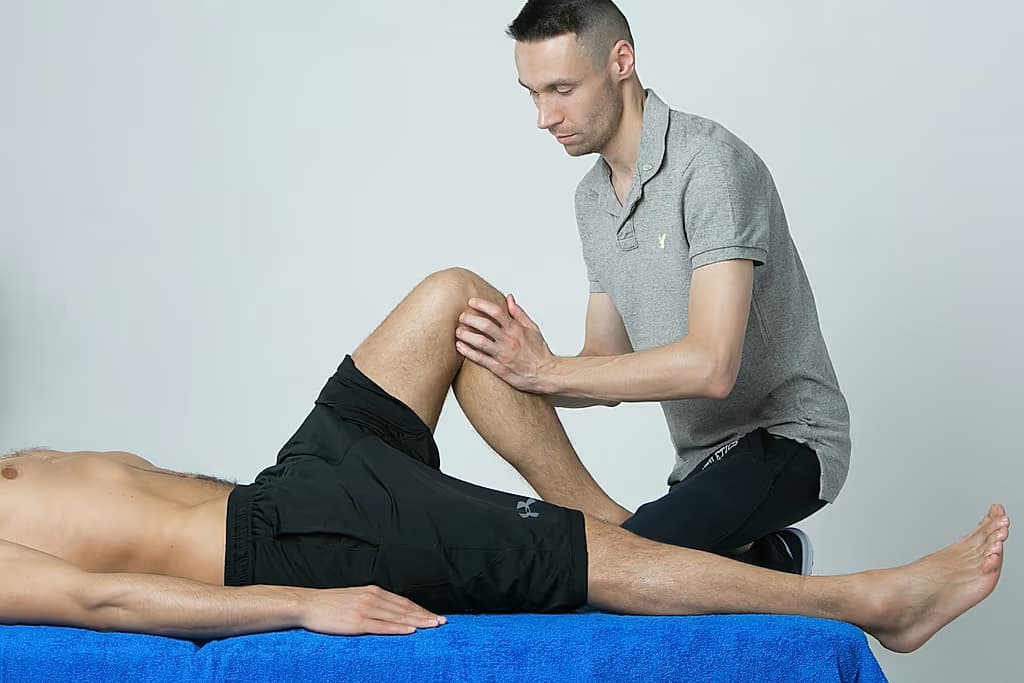
From our sample run on photos of service businesses: physiotherapy. Word for word; you check and edit every field before anything is saved.

Physiotherapist examining a man's knee during a medical assessment on a blue massage table
File name(written by AI)
physiotherapist-examining-patients-knee-injury-landscape.avif
Alt text(written by AI)
Physiotherapist examining a man's knee during a medical assessment on a blue massage table
Title(written by AI)
Physical Therapy Knee Assessment
Starter and up

The six parts of image SEO

Image SEO rests on six technical foundations:

1. File names — Descriptive and hyphenated. Google says the file name gives very light clues about the subject of the image. 2. Alt text — Google calls it the most important attribute for image metadata, and WCAG requires a text alternative for meaningful images. 3. File size — Smaller files load faster, which helps Core Web Vitals. 4. Format — Google Search supports WebP and AVIF images, which are usually smaller than JPG. 5. Responsive delivery — Serve the right size to each device instead of one large file. 6. Embedded metadata — IPTC and XMP data travels with the file when it is downloaded or shared, unless a platform strips it.

Picture Optimizer prepares all six in one pipeline: 1 credit per image for compression, 2 with the AI text.

The image SEO tool covers the text side: it writes the alt text, title, caption, keywords and file name for each image in one pass.

What Google says about image SEO

Google's image SEO guide recommends descriptive file names, titles and alt text, placing images near relevant text, and supported formats such as WebP and AVIF. It also suggests automating the naming if your site has thousands of images.

None of this guarantees a ranking, but each properly described image gives Google a clear picture of what it shows, and each image result links back to its page.

Questions

Common questions about this tool.

There is no fixed time. Google has to recrawl your pages and images, and its documentation says crawling can take anywhere from a few days to a few weeks. Speed changes show in PageSpeed Insights as soon as the new files are live.

Fresh from the blog: Image SEO